
When temperatures drop, it’s common to increase the use of heaters, air conditioning in heating mode, or other climate control systems.
+ 7 colors designers recommend to give your home a fresh touch in 2026
Even so, many homes remain cold and the energy bill rises quickly. In most cases, the problem isn’t the equipment, but the less visible spots where heat escapes every day.
Heat loss happens continuously and silently, compromising thermal comfort and increasing monthly household expenses. Understanding where this occurs helps identify simple solutions that can generate real savings over time.
1 – Roof and attic
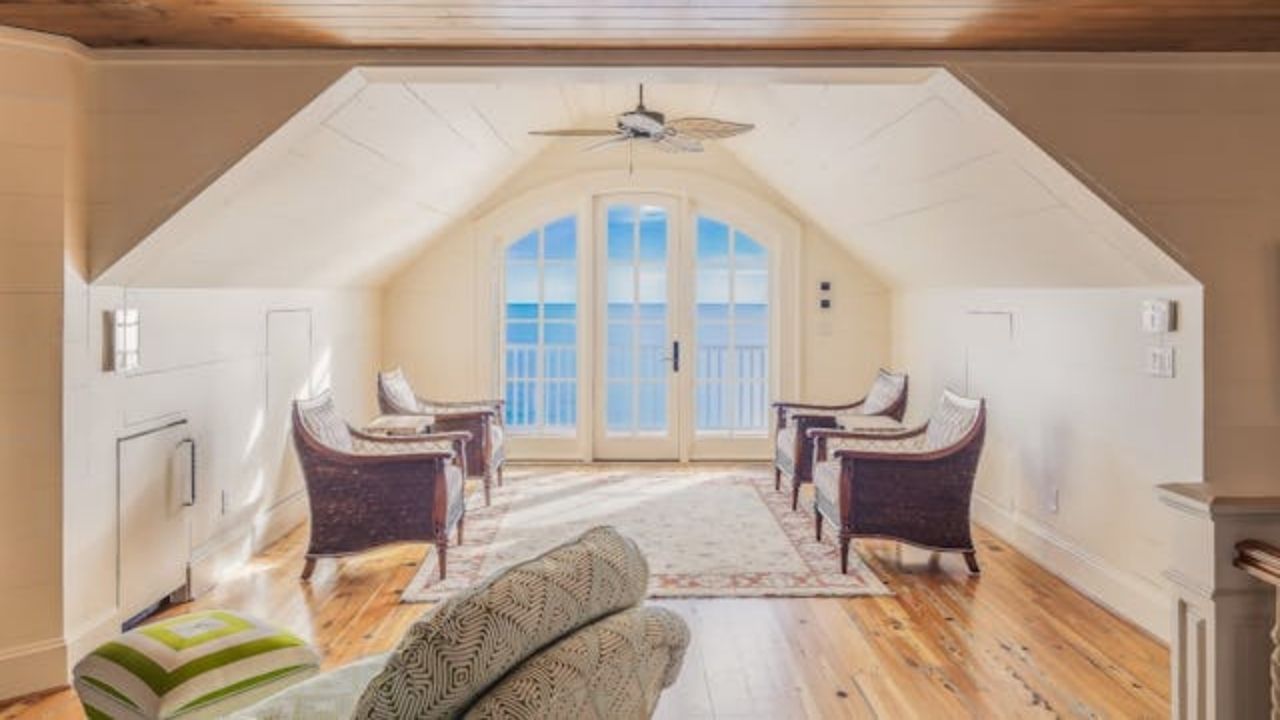
The roof is the main point of heat loss in a home. Since warm air naturally rises, any lack of insulation in this area allows heat to escape easily outdoors. In homes with inadequate insulation, the heating system needs to run much longer to compensate for this loss, which directly reflects on the energy bill.
2 – Exterior walls
Walls act as a large surface for thermal exchange with the outdoor environment. When they are not properly insulated, internal heat dissipates slowly but constantly. Structures such as beams and columns can also create areas where insulation is interrupted, further facilitating heat loss and reducing the home’s efficiency.
3 – Windows and doors
Even small gaps around windows and doors allow cold air to enter and warm air to escape. Single-pane glass and worn seals worsen this problem, creating drafts that cool rooms quickly. This type of loss often goes unnoticed, but it has a significant impact throughout the winter.
4 – Floors and areas below home level
Floors installed over garages, basements, or unheated spaces tend to stay cold and pull room temperatures downward. Without proper insulation, cold air rises, requiring the heating system to work harder to maintain thermal comfort in living spaces.
5 – Small invisible leaks
Junction boxes, pipe entries, ventilation ducts, and even the attic access hatch can become points where heat escapes. Individually they may seem insignificant, but together they create a constant loss that increases energy consumption without the homeowner realizing it.
How this affects your wallet
When heat escapes, the heater must run longer and at higher power to maintain the desired temperature. This results in higher energy bills, greater wear on equipment, and less comfort inside the home. In many cases, simply improving insulation and sealing is enough to significantly reduce heating costs.
Conclusion
The heat your home loses every day is money going away without you noticing. Identifying the roof, walls, windows, floors, and small leaks as critical points is the first step to improving thermal comfort and lowering costs. With simple and well-planned adjustments, it’s possible to keep your home warmer in winter, more efficient, and much more economical.
This content was created with the help of AI and reviewed by the editorial team.
